 I Want To



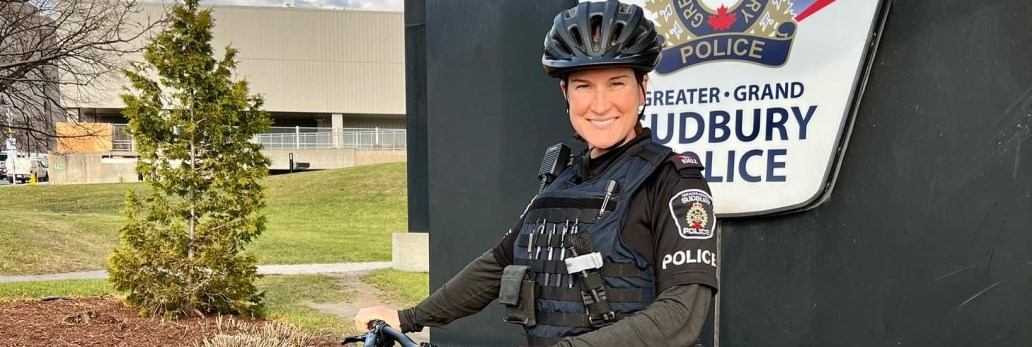
Bicycle theft is often a crime of opportunity.
During the summer months, these incidents increase slightly due to better riding weather and more pedestrian traffic in residential neighbourhoods.
You can protect your bike by registering it with 529 Garage.
In just a few minutes, you can join the 529 Garage community working to prevent bike theft worldwide. Registering your bike ensures you have the information needed by law enforcement, insurance providers, and the community to help recover a lost or stolen bicycle.
A registered bike has a much greater chance of being identified and returned if found.
The 529 Garage Story
In 2013, we set out to create a sustainable program that reduces bike theft, supports cycling, and helps make cities and campuses more bike‑friendly. That work led to the creation of 529 Garage.
Over the last two decades, bike theft in North America has grown significantly, affecting an estimated two million riders each year. Beyond the half‑billion‑dollar black‑market economy, many stolen bikes are also used in secondary crimes, often serving as a modern ‘getaway vehicle’ for offenders.
What to do if your bike was stolen
| Start a 529 Garage alert |
|
If your bike is stolen, log in to your 529 Garage account and start an alert. After you answer a few quick questions, the system will immediately notify members of the nearby 529 Community.
|
| Always report it to police |
|
Be sure to report the theft to the police service in the area where it occurred. If you registered your bike, you’ll have all the key details - such as the make, model, and serial number - ready for your report. Most police services offer online reporting, which can save you time.
|
| Check the 529 found bike listings |
|
Check our Found Bike page to see if someone has already spotted your bike and submitted a tip. If you find your bike listed, contact the person who posted the tip to let them know it’s yours.
|
| Check online marketplaces |
|
Thieves often try to sell stolen bikes online, so keep an eye on sites such as Craigslist, OfferUp, Kijiji, and Facebook Marketplace. Be sure to check listings in nearby cities and surrounding areas as well.
|
| Found your bike for sale online? |
|
Contact the police - preferably the officer handling your report and share any information you have gathered. They may ask you to arrange a meeting with the seller and notify them once the meeting is set.
|
| Theft Prevention Tips for Cyclists |
|
| Locking Tips |
|
Contact Us
 Subscribe to this page