

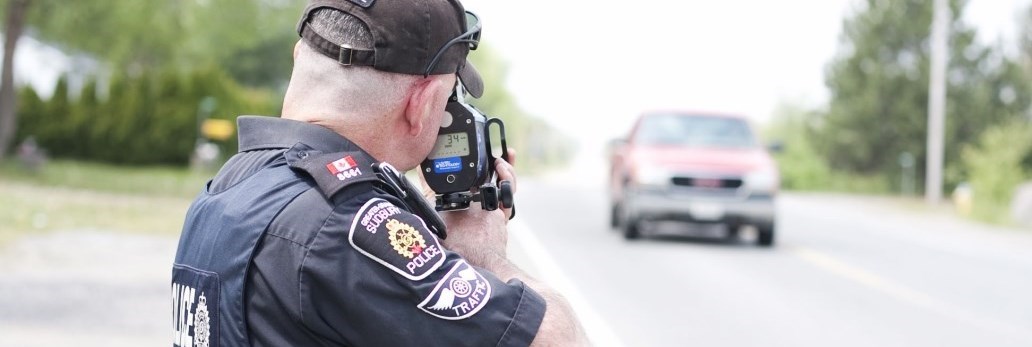
Staying safe on our roads requires the full attention and responsibility of every driver, rider, cyclist, and pedestrian. Traffic collisions are often preventable, and many occur because of impaired, distracted, or aggressive driving. Speeding, poor decisions, and a lack of awareness can put lives at risk in seconds.

This section provides important information to help prevent collisions and promote safer road use. By staying alert, making responsible choices, and following the law, we can all help keep our community’s roads safer for everyone.

Impaired Driving

Impairment - whether from alcohol, drugs, or cannabis—makes driving dangerous. If you plan to drink or use cannabis, arrange a safe ride home. Never drive while impaired.

If you suspect an impaired driver, keep your distance, pull over safely, and call 911 with details such as location, vehicle description, licence plate, direction of travel, and what you observed.

 Signs of an Impaired Driver
  • Drifting, swerving, or inconsistent speed
  • Braking suddenly or stopping too early
  • Wide turns, erratic lane changes, tailgating
  • Driving without headlights or leaving signals on
  • Poor coordination or difficulty staying in the lane
 Cannabis and Driving

Cannabis can:

  • Slow reaction time
  • Reduce concentration and memory
  • Affect motor skills and judgment
  • Cause drifting and poor speed control
Penalties for Drug‑Impaired Driving

Driving impaired by any substance may result in:

  • Immediate licence suspension
  • Financial penalties
  • Vehicle impoundment
  • Criminal charges
  • Possible jail time

Distracted Driving

Using a phone while driving - or stopped at a red light - is illegal and dangerous. Even quick glances put lives at risk.
Penalties (A–G licence holders) 
  • First conviction: up to $1,000 fine, 3 demerit points, and a 3‑day licence suspension
  • Second conviction (within 5 years): up to $2,000 fine, 6 demerit points, and a 7‑day suspension
  • Third and subsequent convictions (within 5 years): up to $3,000 fine, 6 demerit points, and a 30‑day suspension

Penalties (G1, G2, M1, M2)

(These drivers do not receive demerit points.)

  • First conviction: 30‑day licence suspension
  • Second conviction: 90‑day suspension
  • Third conviction: licence cancellation and removal from the Graduated Licensing System (GLS)
Why You Still Can’t Text at a Red Light
Drivers stopped at lights often miss signals and fail to notice pedestrians or cyclists. Collisions can occur even when vehicles aren’t moving.

Under Ontario law, it is illegal to use a hand‑held device any time you are driving, including when stopped in traffic or at a red light. This means you cannot:

  • Text or dial on a phone (you may only touch your device to call 911 in an emergency)
  • Use hand‑held entertainment devices such as tablets or gaming consoles
  • Watch videos or view screens unrelated to driving
  • Program a GPS, unless using voice commands
 Tips to avoid Distracted Driving
  • Silence or store your phone
  • Use apps that block notifications
  • Ask a passenger to respond
  • Pull over safely if you must use your phone
  • Don’t text others when you know they’re driving

Speeding

Slow down in residential areas, school zones, and construction zones. High speeds increase the risk of serious injury or death.

Stunt Driving

Driving 50 km/h or more over the speed limit is considered stunt driving and carries severe consequences. Penalties can include:

  • A fine between $2,000 and $10,000
  • Six demerit points
  • A two‑year licence suspension
  • Up to six months in jail
  • Significant increases to your insurance rates

Stunt driving is not limited to speeding alone.

Other Examples of Stunt Driving
  • Chasing or racing another vehicle
  • Blocking other vehicles or preventing passing
  • Driving too close to people or objects
  • Driving with a passenger in the trunk
  • Doing burnouts, donuts, or wheelies
  • Rapid, repeated lane changes at high speed

Aggressive Driving

Speeding, tailgating, weaving through traffic, blocking merges, or reacting angrily increases collision risk. 26% of drivers in fatal collisions were driving aggressively.

Give yourself time, avoid driving angry or tired, and stay calm.

Road Rage

 Common Behaviours
  • Tailgating
  • Cutting off other drivers
  • Yelling or gestures
  • Blocking lanes
  • Weaving or speeding
  • Confronting another driver

People who experience road rage are more likely to drive aggressively, increasing the risk of an accident that could cause serious personal injuries or even death.

 How to avoid Road Rage
  • Be courteous
  • Use signals
  • Avoid last‑minute lane changes
  • Let faster drivers pass
  • Assume others may be stressed
 If Road Rage Leads to a Collision
  • If a collision occurs because of road rage and you feel in immediate danger, call 911 right away.
  • If you are not injured and do not feel at risk, call the non‑emergency line at 705‑675‑9171. Provide as much detail as possible, including the vehicle’s make, model, colour, licence plate, and direction of travel.
  • If you witness or are affected by a road‑rage incident, you can also report it through the online reporting system.

Pedestrian Safety

Preventing injuries requires cooperation between drivers and pedestrians.

Drivers can face up to $1,000 in fines and 4 demerit points for failing to yield at crossings. Always stop fully when crossing lights are activated.

 Tips for Pedestrians
  • Stay alert and avoid distractions
  • Cross at marked crossings or lights
  • Ensure vehicles have fully stopped
  • Make eye contact with drivers
  • Wear bright or reflective clothing
 At a traffic light
  • Start crossing only at a green light or “Walk” signal
  • Do not start crossing on a flashing “Do Not Walk”
  • Never cross on red
 Tips for Motorists and Cyclists
  • Always look for pedestrians
  • Stop at yield bars
  • Let pedestrians cross fully before proceeding
  • Slow down near schools and residential areas
  • Be patient with seniors or people with disabilities

Thank you for considering the safety of others while using our municipal roads.