 I Want To



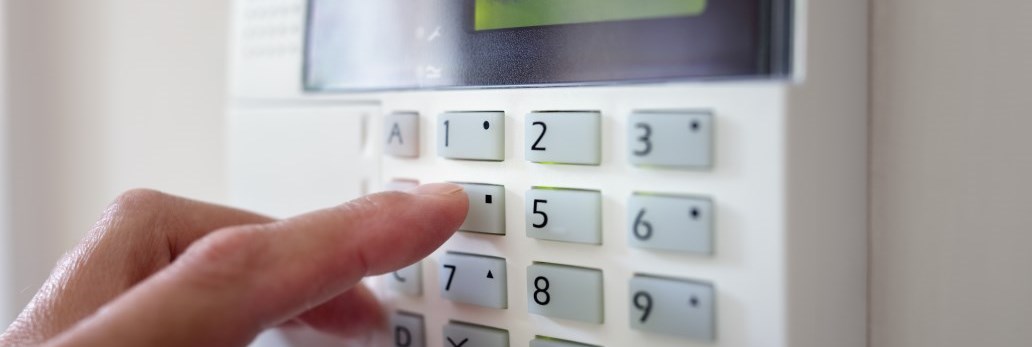
As of January 1, 2024, the Greater Sudbury Police Service (GSPS) has launched a Verified Security Alarm Response Program (VSARP). Under this program, alarm monitoring companies - and home or business owners - must verify an alarm before police are contacted.
The goal is to improve service to residents and businesses while reducing the number of false‑alarm calls so police resources can be deployed more effectively.
What Counts as a Verified Alarm?
To request police dispatch, alarm monitoring services must confirm that a criminal offence is occurring or that there is an imminent threat to personal safety, fire, or medical emergency. Verification may include:
- Audio - sounds confirming criminal activity
- Video - images showing criminal activity
- On‑scene witnesses – someone confirming suspicious or criminal behaviour
- Multiple activation points – at least two different sensors triggered in a pattern suggesting criminal activity
GSPS will not dispatch officers to unverified alarms or alarms sent by automatic dialing devices.
Exceptions
The following alarms do not require verification and will always receive a police response:
- Panic alarms
- Hold‑up alarms
- Duress alarms
Verified alarms are treated as high‑priority calls. Actual response time depends on overall call volume, available officers, and priority levels at the time.
Billing Changes
As of January 1, 2024:
- GSPS bills alarm monitoring services, not property owners.
- A fee applies when an alarm call is cancelled after officers are dispatched but before arrival.
Please ensure your contact information is up to date with your alarm monitoring provider.
Fee Schedule
- False Alarm: $160 + HST
- Cancelled Accepted False Alarm: $80 + HST
(There is no longer an annual alarm registration fee.)
Frequently Asked Questions
| What is a False Alarm? |
|
A false alarm is any alarm call that results in a request for police but is later determined not to involve criminal activity, an imminent threat to someone’s safety, or a medical or fire emergency. In other words, the alarm was triggered by something other than an actual emergency.
|
|
How Can I Prevent a False Alarm? |
|
You can reduce false alarms by keeping your system well‑maintained and ensuring everyone using it knows how it works.
|
|
Why Do False Alarms Occur? |
|
False alarms can happen for many reasons, including:
|
|
Will I still be able to register my alarm with GSPS? |
|
No. Alarm registration with GSPS ended on January 1, 2023.
|
|
I paid to register my alarm until March 31, 2024. Can I get a refund? |
|
Premises registered for periods ending before December 31, 2022 may be eligible for a partial refund. Refund amounts are based on the registration period and the number of false‑alarm responses at that location. To request reimbursement, please contact the Alarm Coordinator at: alarms@gsps.ca |
|
As a client of an alarm monitoring service, what should I do now? |
|
Contact your alarm monitoring service to discuss the new VSARP requirements. They can explain how the changes affect your alarm settings, verification process, and available response options.
|
Contact Us
 Subscribe to this page