 I Want To



ATV's and ORV'S
You can find information on the types of ORVs allowed on designated city streets, maps of approved routes, FAQs, and links to both the GSPS and MTO websites. These resources explain licensing requirements, passenger rules, and vehicle definitions for on‑road ORV use.
All ORVs used off your own property—or on private property where you have permission—must be registered, display a valid plate, and be properly insured. This requirement also applies when riding on Crown Land.
Please ride responsibly and respect other land users.
The Greater Sudbury Police Service Rural Community Response Unit will continue enforcement in areas with high complaint volumes.
If you need to report unsafe or unlawful ORV use, you can submit an online complaint through CopLogic
Snowmobile Safety
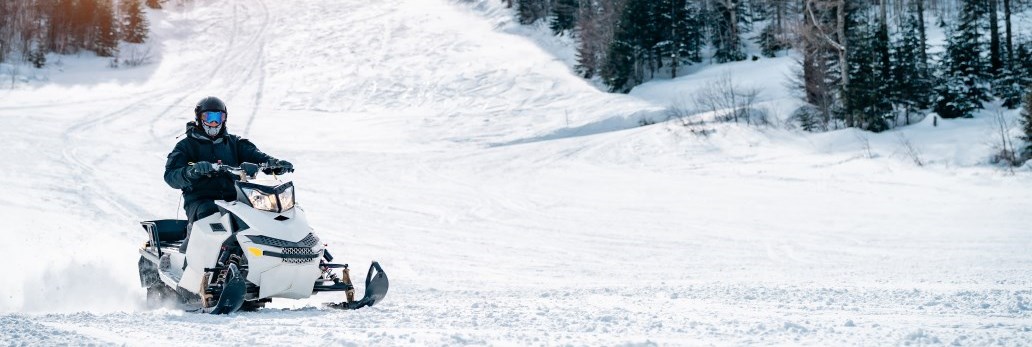
We know many people in Sudbury and Northern Ontario love to take advantage of our snowy winters and take their snow machines for a ride. Before you rev up your snow mobile engine, please consider these safety tips:
| Before you leave |
|
| While riding |
|
|
When driving at night |
|
| When driving on ice |
|
Boating Safety
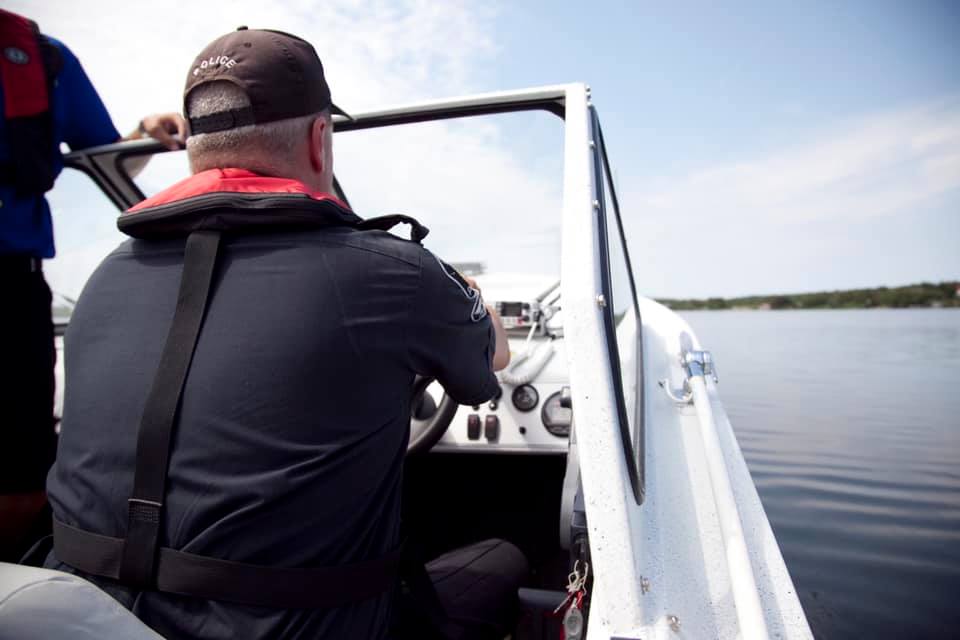
If you're planning on taking your boat out for a ride, please be reminded that having open alcohol onboard a moving vessel is against the law.
| Safety Tips |
|
| Essential Safety Equipment for Your Vessel |
|
It is your responsibility to carry the proper safety equipment on your vessel. If something goes wrong on the water, having the required equipment easily accessible and in good working order can save your life. All vessels must carry essential safety items such as a floating rope, flashlight, whistle, manual bailer, and a paddle or anchor. All equipment must:
These requirements do not apply to inflatable, self‑propelled water toys, as they are not designed for open water. However, if you choose to operate them in open water, enforcement officers will treat them as pleasure craft. This means they must meet the same requirements outlined in Transport Canada’s Safe Boating Guide. Enjoy the water responsibly and stay safe. |
| Boating Accident Reporting Requirements |
You must report a boating accident to local police as soon as possible if it results in:
You must also submit a written report to the Minister of Transport within 14 days if the accident causes:
A pleasure craft is any boat used for recreational activities, such as fishing, sailing, or water sports. Common types of boating accidents include:
Accidents can occur during any boating activity, including:
|
| Why Do Boating Accidents Occur? |
|
Boating accidents can happen for many reasons. Some are directly related to the actions of the operator, including:
Accidents can also occur due to other factors, such as:
|
| Responsibilities of Boat Owners and Operators |
| Transport Canada regulates boating laws across Canada under the Canada Shipping Act, which sets the rules for operating all pleasure craft. Owners and operators must also follow regulations such as the Vessel Operation Restriction Regulations (VORRs), which outline speed limits, licensing and registration rules, age requirements, and other safety standards. It is the responsibility of every owner and operator to follow these laws and take reasonable care to prevent injuries to passengers and other boaters. Provincial Requirements In Ontario, recreational boat owners and operators must also follow provincial laws, including:
|
| Age and Operator Restrictions |
Under the VORRs (Vessel Operation Restriction Regulations), age and horsepower rules apply to anyone operating a pleasure craft for recreation in Canadian waters:
These age restrictions do not apply in the Northwest Territories or Nunavut. |
| Proof of Competency |
|
Anyone operating a pleasure craft with any type of motor - including an electric trolling motor - must carry proof of competency when boating for recreation. Acceptable forms of proof include:
The only exception applies to operators in the Northwest Territories or Nunavut. Failure to carry your PCOC when required may result in a fine. |
| Enforcement |
|
Boating laws are enforced by:
Operators must cooperate with officers by following all applicable laws. Enforcement officers may request to see your Pleasure Craft Operator Card at any time. |
| Reciprocity |
The PCOC (Pleasure Craft Operator Card (PCOC)) is recognized across all Canadian provinces and territories. In addition:
This mutual acceptance is known as reciprocity. |
Contact Us
 Subscribe to this page